GATHER INGREDIENTS
Collect the necessary herbs and materials


We can trace the link between human life and healing herbs back to Neanderthal man 60,000 years ago, when herbs including Horsetail, Yarrow and Ephedra were used.
A conventional medical view might take some exception to aspects of herbal philosophy and approach to treatment that may follow some rather unorthodox lines. There may not be much scientific justification for example, the use of 'alternative" or cleansing herbs to clear the body of toxins, or cooling herbs to clear 'accumulated heat', but they are integral to the philosophies of ancient and respected systems, such as Chinese, Tibetan, And Ayurvedic medicine, that have survived almost intact for at least 56000 years.
Some therapeutic traditions - such as Chinese, Ayurvedic, Unani Tibbs and Tibetan medicine - are all based on systems of healing that have remained almost intact through thousands of years and still form the primary healthcare system for a significant proportion of the population in those countries. Many Western herbalists now study those traditions and incorporate their ancient practices into their own diagnoses and treatments.
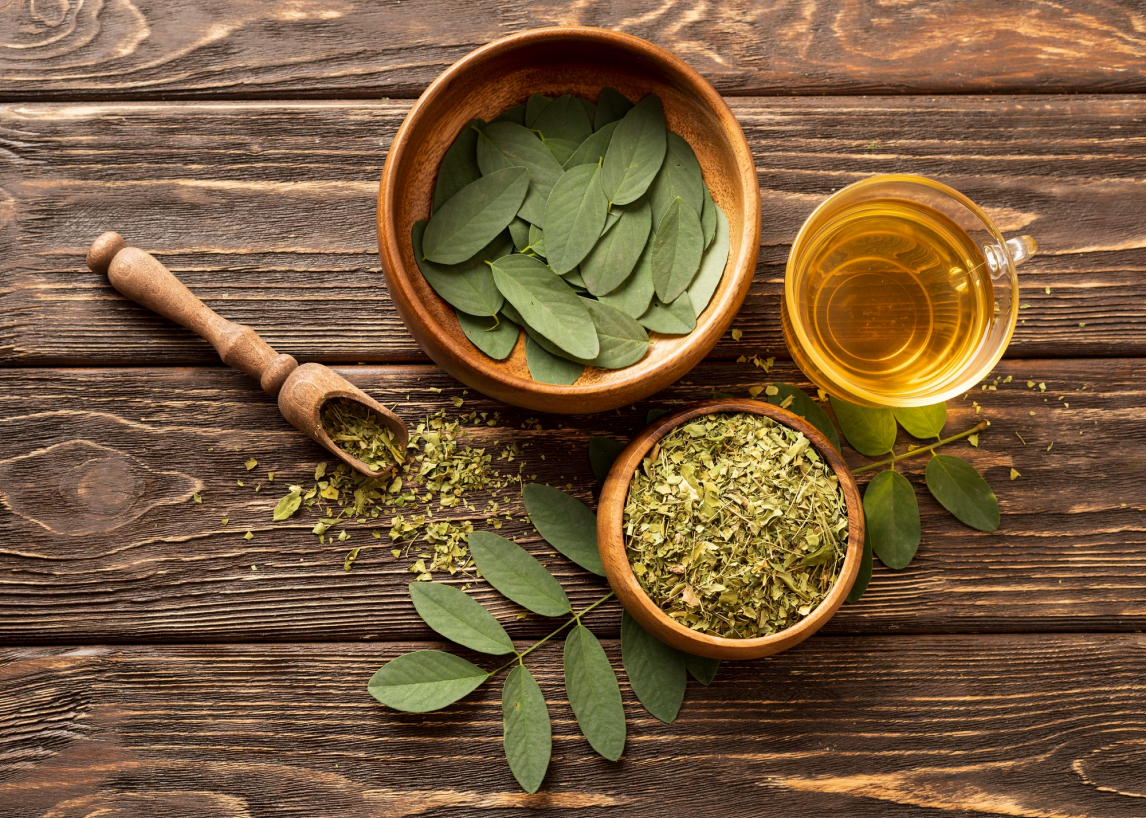
Other age-old systems of herbal healing, particularly in the Western world, have been largely broken and replaced by modern drugs and conventional medicine. Currently, the popularity of herbal medicine has inspired a re-evaluation of global medical roots, with their rich source’s medical roots, with their rich sources of effective medicines that certainly have a place in modern medical practice.
In recent decades the scientific world has identified specific constituents of herbs and their properties and interactions. Modern studies into the efficacy of herbs and randomized controlled trials have proven that herbs can be effective medicines, and our research vindicates the ancient use of such plants that goes back thousands of years.
Other age-old systems of herbal healing, particularly in the Western world, have been largely broken and replaced by modern drugs and conventional medicine. Currently, the popularity of herbal medicine has inspired a re-evaluation of global medical roots, with their rich source’s medical roots, with their rich sources of effective medicines that certainly have a place in modern medical practice.
In recent decades the scientific world has identified specific constituents of herbs and their properties and interactions. Modern studies into the efficacy of herbs and randomized controlled trials have proven that herbs can be effective medicines, and our research vindicates the ancient use of such plants that goes back thousands of years.
For thousands of years, until the last 200 years or so, plants provided the sole source of medicines, and many familiar medicines of the 21st century have been derived directly or indirectly from herbs. Despite this, there are still those who persist in the view that the value of herbs is unproven scientifically. At the same time, the value and popularity of herbs as medicines in recent years have prompted more research into the action of plant components. Alongside this has come a re-emergence in the popularity of ancient systems of medicine, with their ‘ holistic ‘ philosophies, as well as more modern systems of healing using plants, such as aromatherapy. This has occurred amid a milieu of natural healing that has challenged modern medicine to the point that now many people are aware that valid choices exist before a patient embarks on a course of treatment.
To stand up to scrutiny in the modern scientific world, herbalists now have to provide evidence of the efficacy and safety of therapeutic herbs they use and apply the tools of the scientific world - biochemistry and pharmacology - to their task. While herbalists advocate the use of whole-plant medicines, their inquiry necessitates that, for study and evaluation purposes, ingredients are singled out and their actions are ascertained.
Such research enables quality testing and efficient extraction methods, and provides pointers to potential side effects and herb-drug interactions. Once this is accomplished, it does not, however, tell the whole story, and the knowledge gained from such study still needs to be incorporated into a more overall view of the whole plant.
It has long been held that a herb is more than the sum of its parts, and despite investigations into what are seen as the active ingredients in a given plant, other 'lesser' constituents have an equally important role to play therapeutically. They are essential in determining how effective the primary healing agents will be by rendering the body less receptive to their powers. Some of these 'synergistic' substances will make the active constituents more easily assimilated and readily available in the body, while others will buffer the action of other potent plant chemicals, thus preventing the risk of side effects. It is the natural combination of both types of substance that determines the healing power and safety of any herbal medicine.
Before the development of modern scientific methods for the isolation of active constituents, whole-plant medicines were used. As science progressed, many of these constituents were able to be synthesized, perhaps in the assumption that synthetic compounds were similar to those derived from the plant world and as such, would be assimilated just as easily by the body. Herbs became more less redundant. However, chemical analysis of medicinal plants has demonstrated that there is a similarity in the molecular structure of components of plants that make the food we eat and herbs used as medicines easily assimilated.
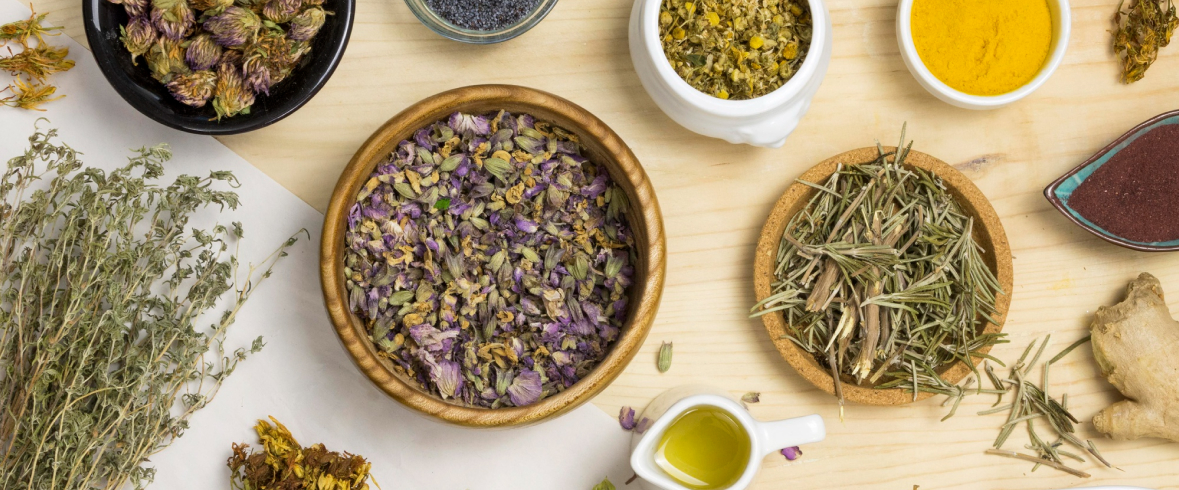
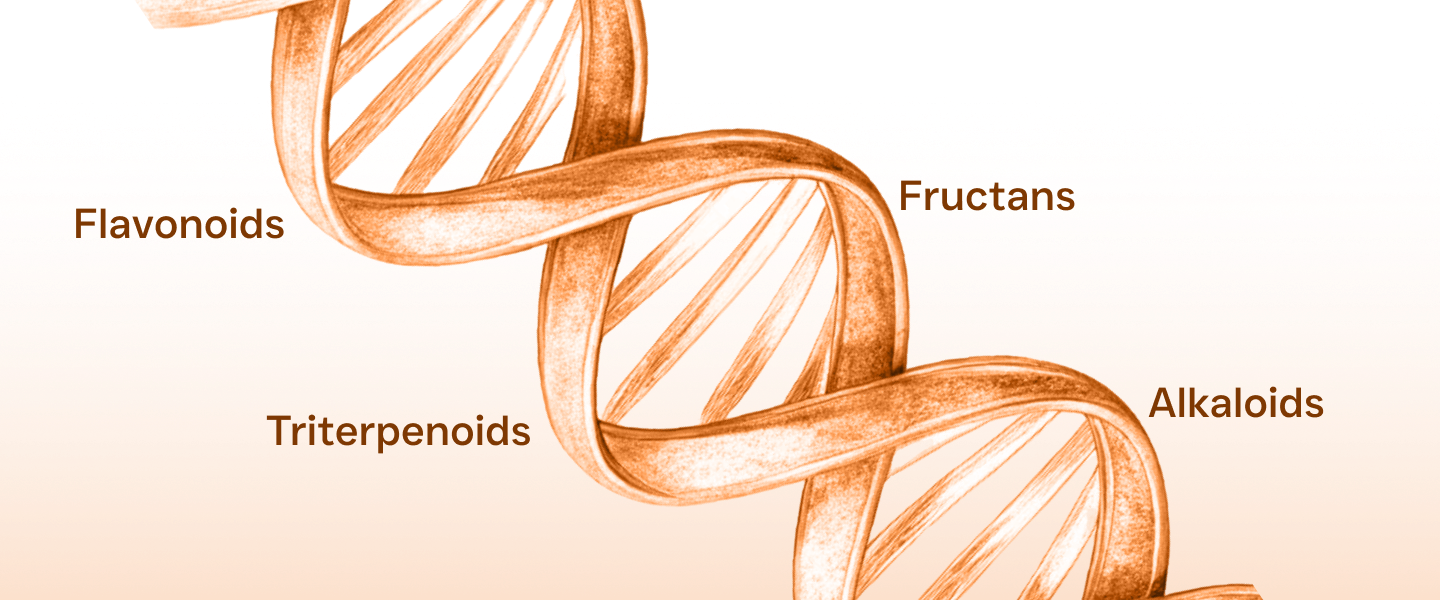
Through photosynthesis, plants manufacture carbohydrates and give off oxygen, and in this process, they create metabolic pathways that provide building blocks for the production of a vast array of compounds: Phenols, Coumarins, Anthraquinones, Tannins, Flavonoids, Terpenes, Bitter, Triterpenoids, Volatile Oils, Fixed Oils, Polysaccharides, Mucilage, Fructans, Alkaloids.
The isolation and synthesis of potent active ingredients can produce an array of side effects.
Plant-derived drugs such as morphine, digoxin, ephedrine and atropine clearly need to be used with great caution. This is why we do not use extracts but instead use specific parts or plants as a whole.

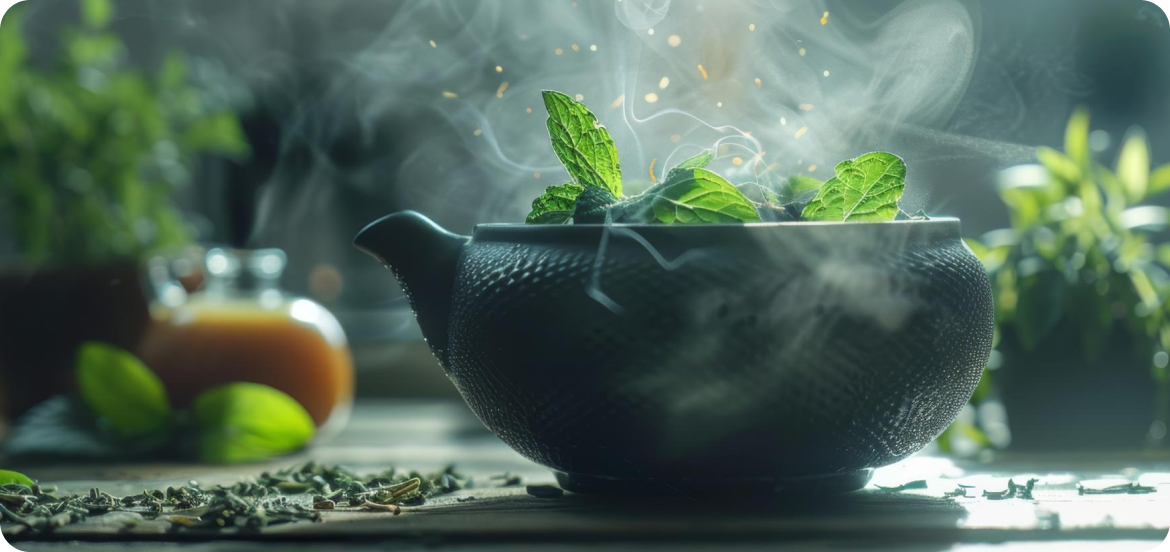
Collect the necessary herbs and materials
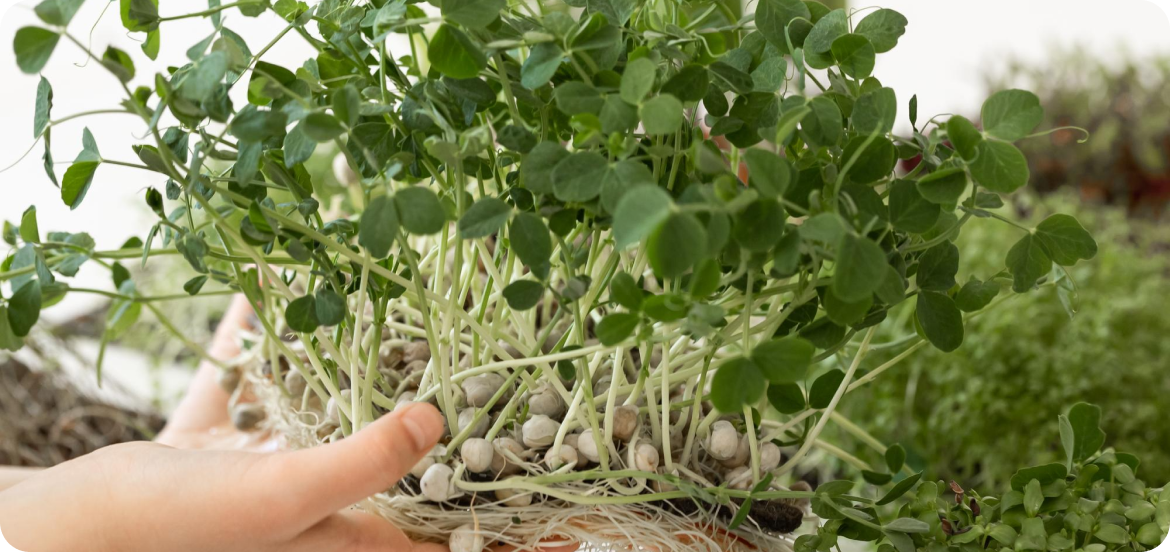
Arrange and clean the gathered herbs
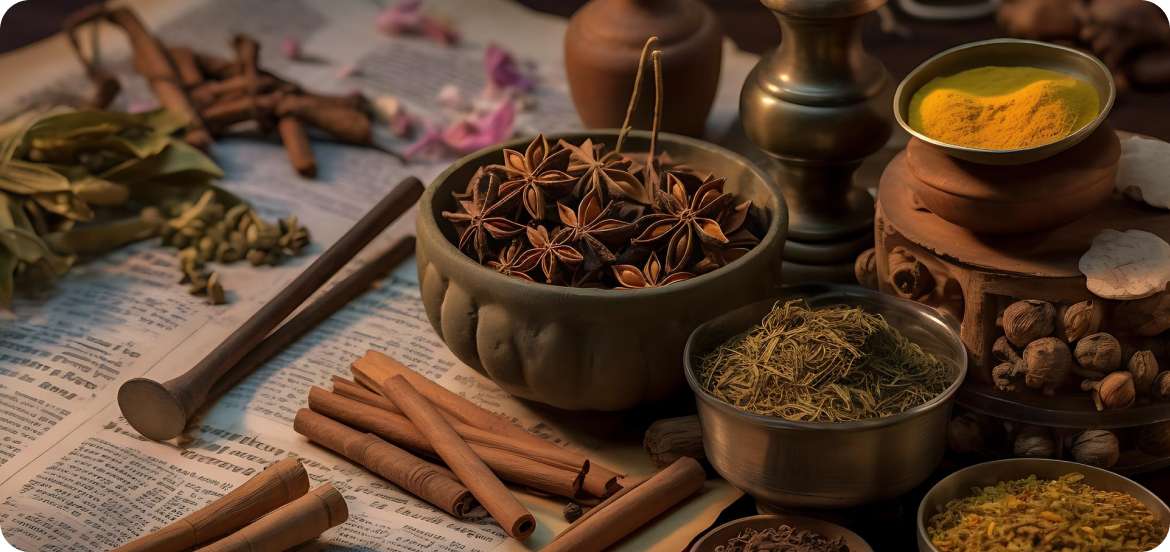
Measure the specified quantity of herbs
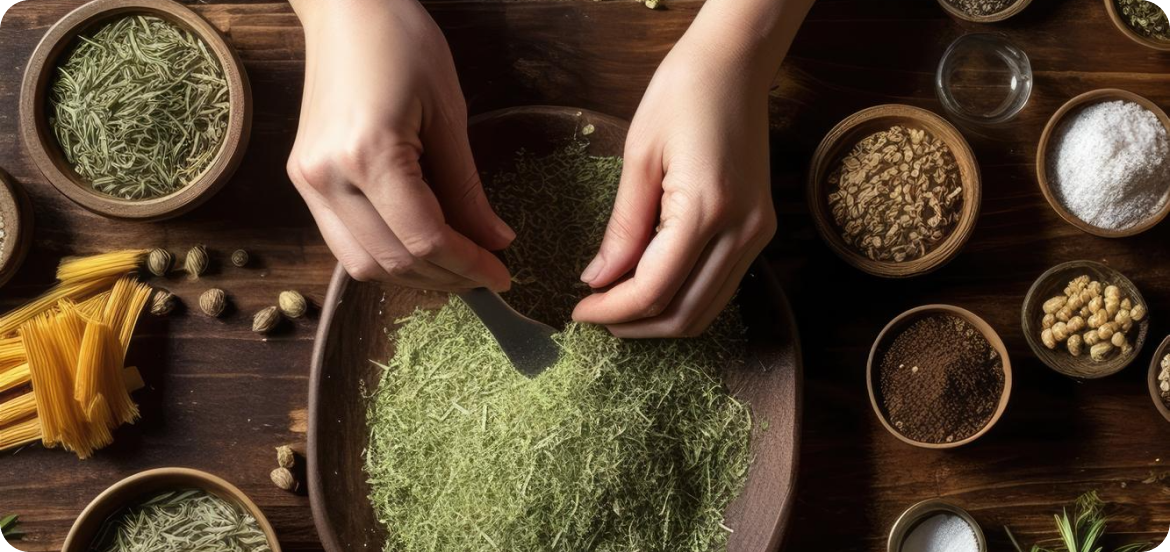
Combine the measured herbs thoroughly.
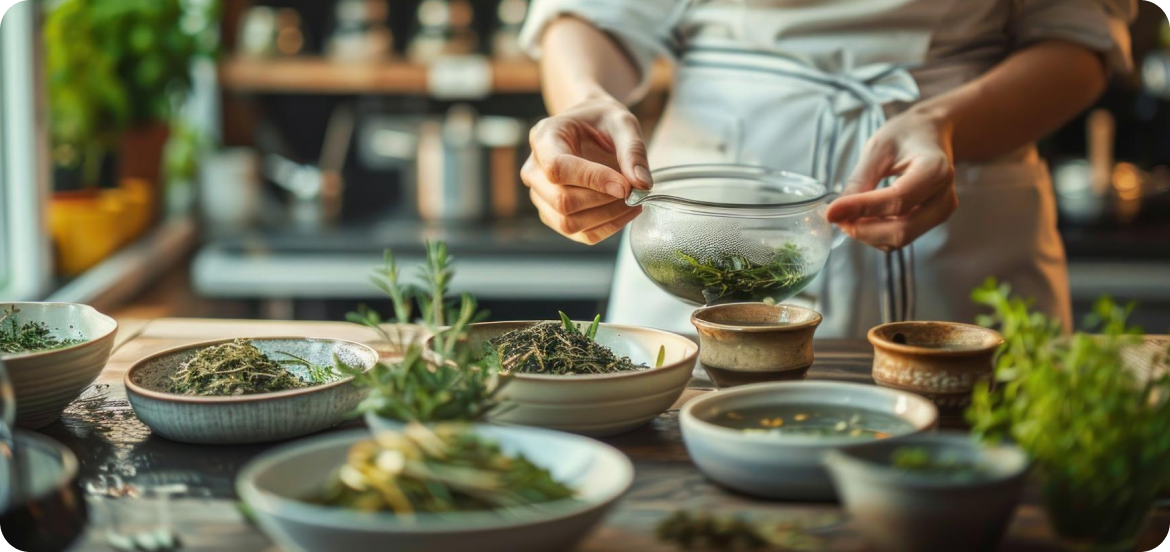
Add water to the herb mixture 16 times
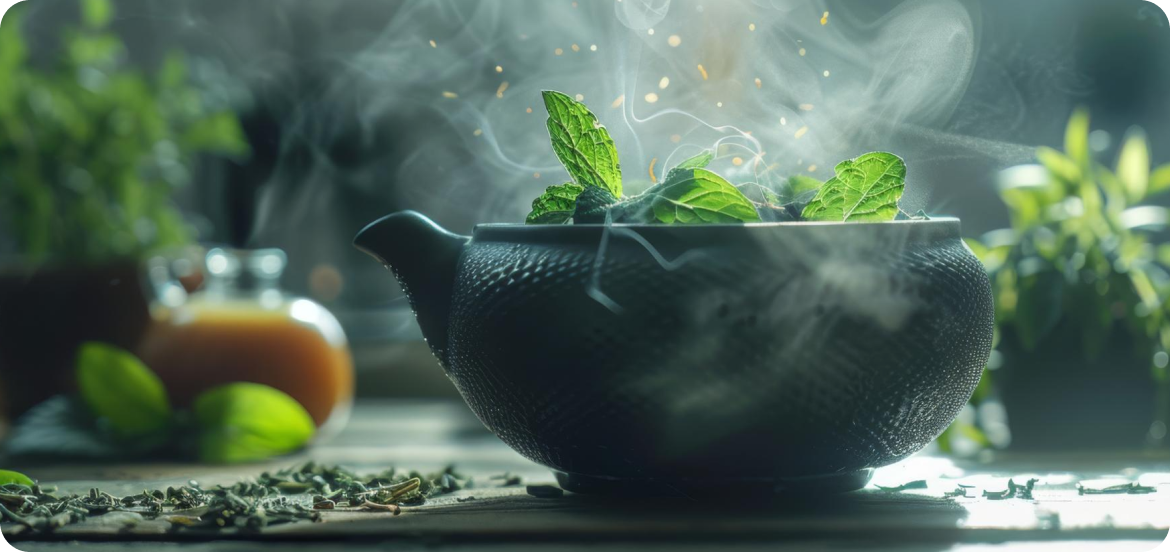
Heat the mixture until it reduces to one-fourth of the original volume
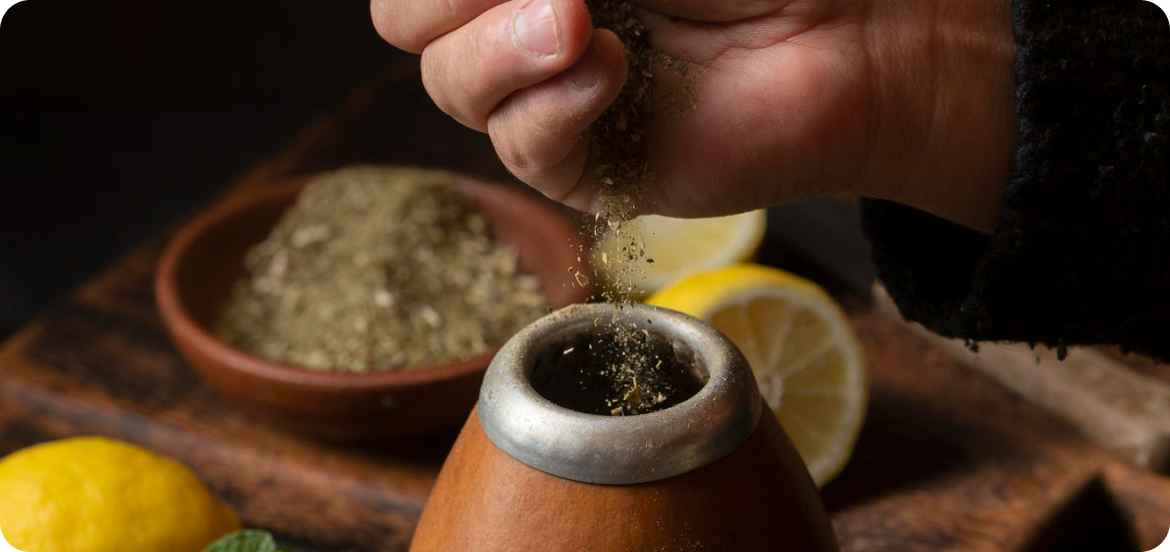
Separate the liquid from the herb residue
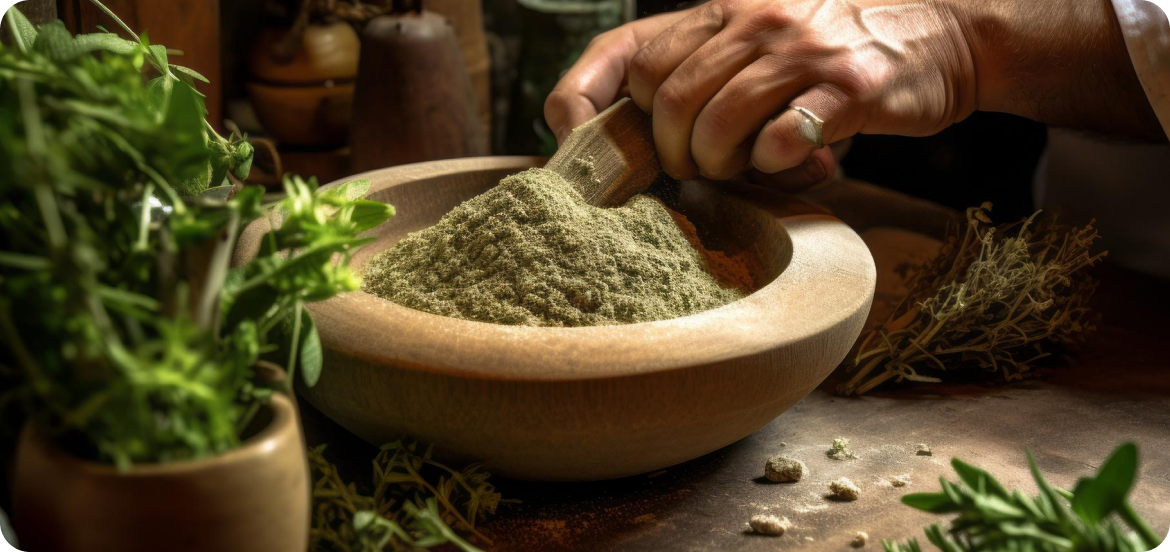
Separate the liquid from the ground herb residue
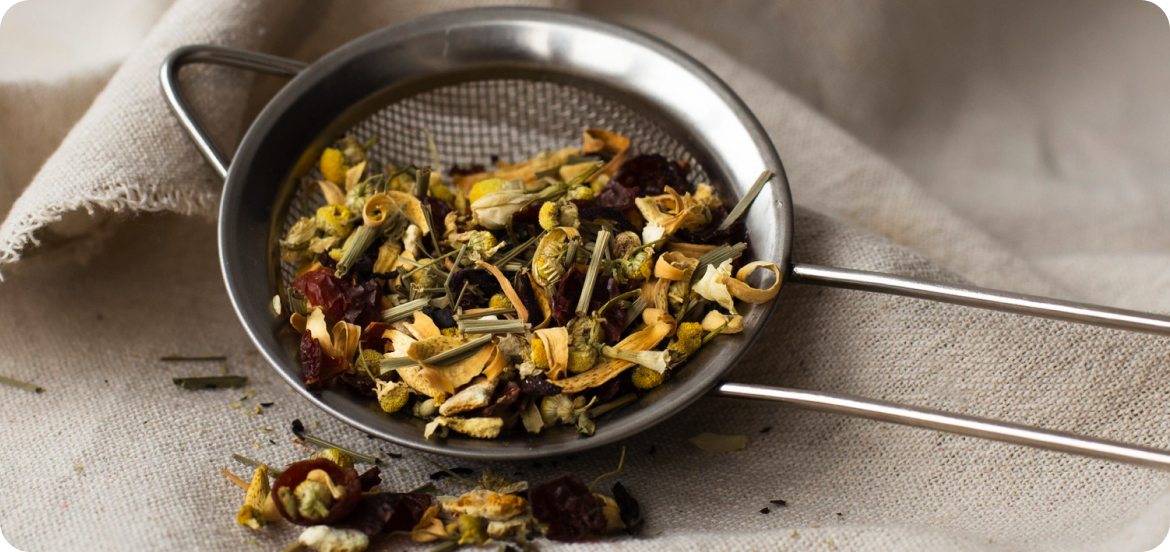
Separate the liquid from the ground herb residue
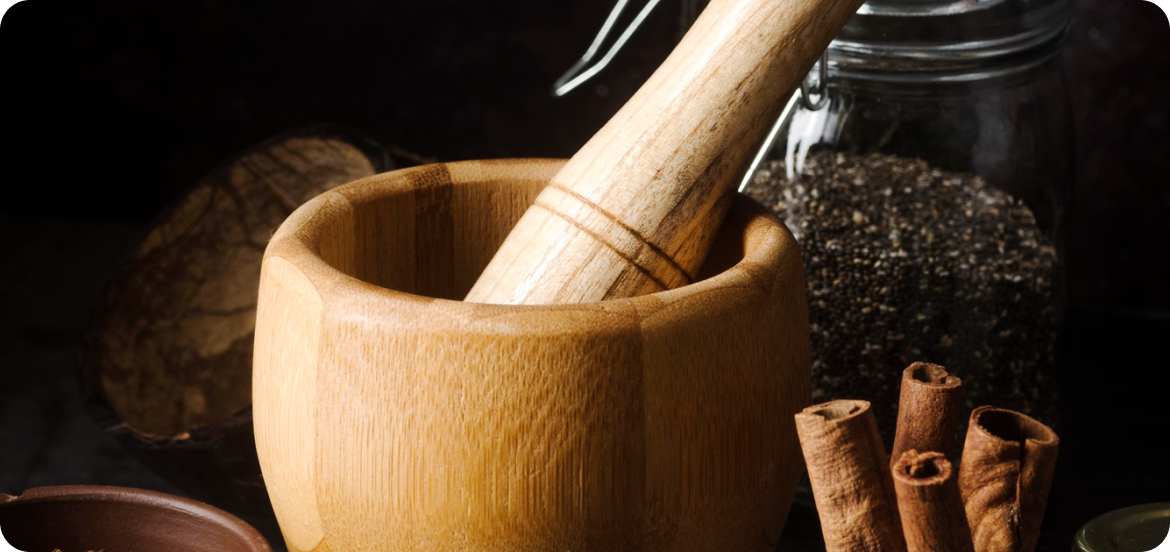
Grind the remaining herb residue
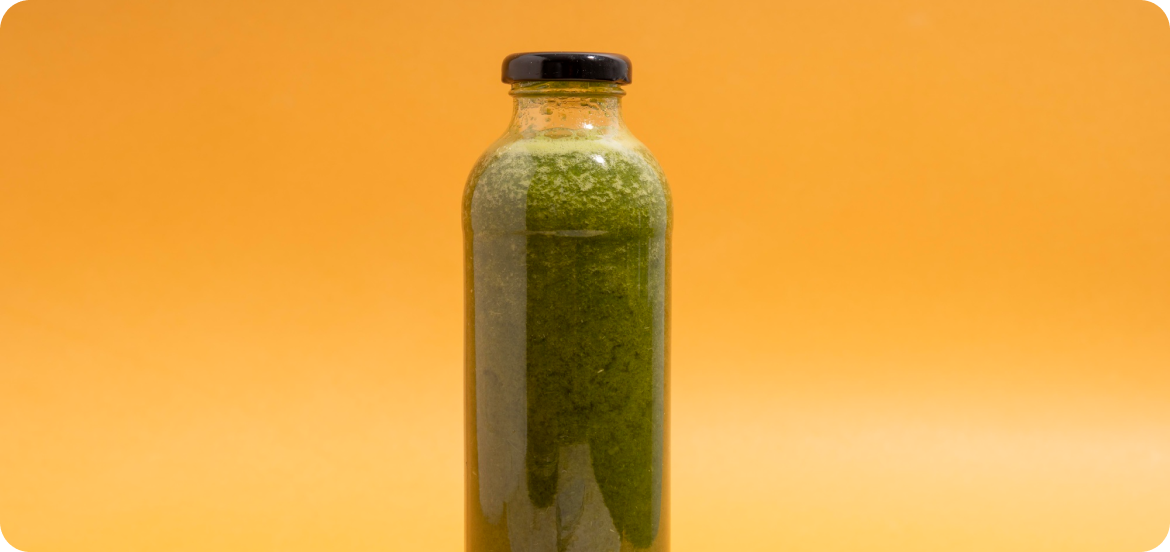
Place the decoction into sterile bottles
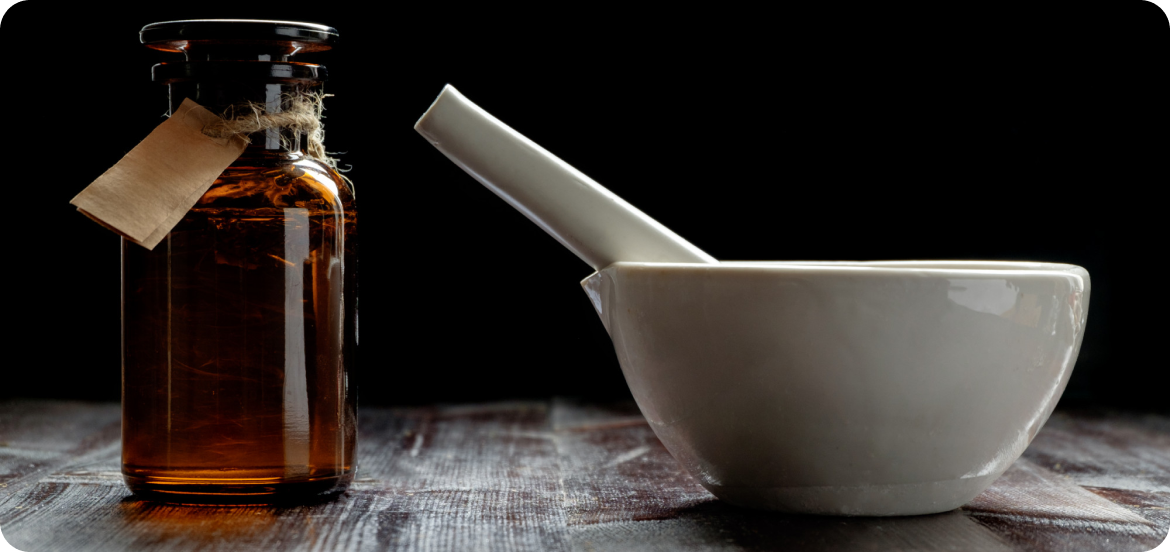
Seal the bottles With caps
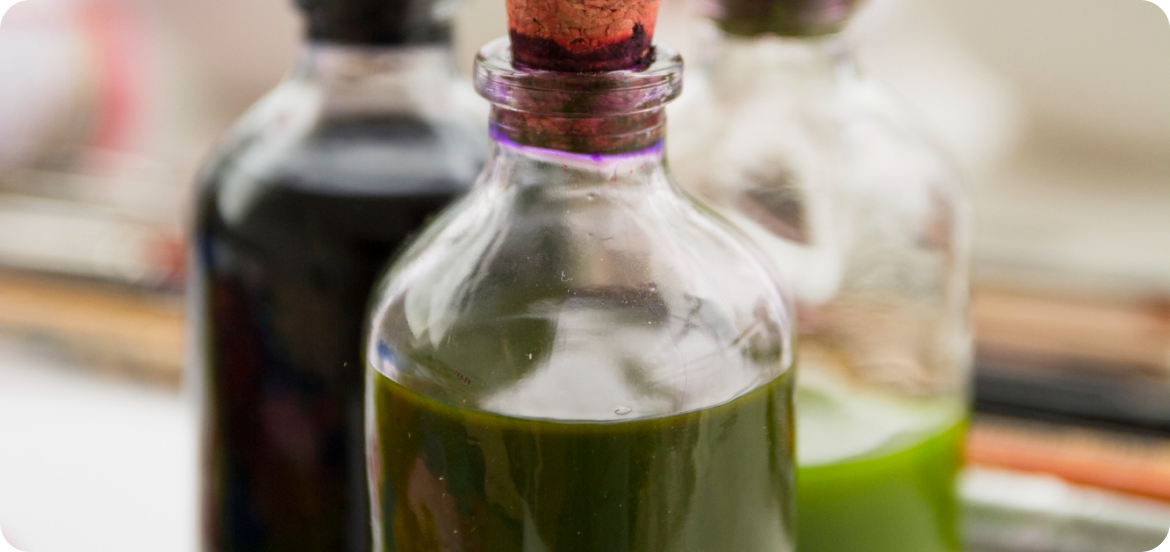
Store the bottled decoction in a suitable place